
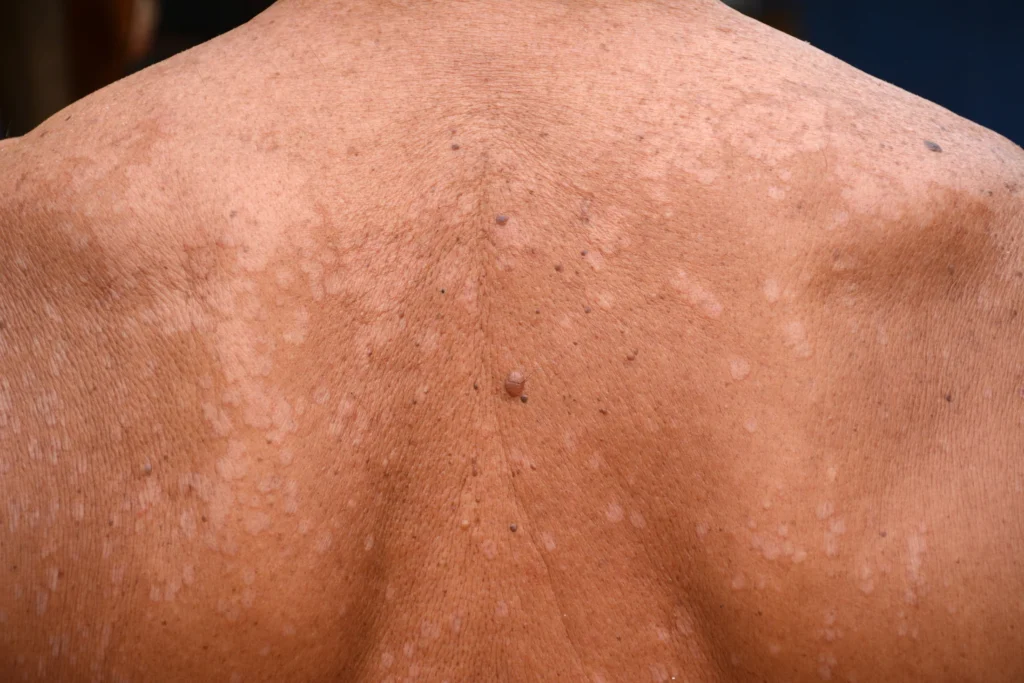
Tinea versicolor is a common fungal infection that affects the skin, causing discolored patches to form. While the condition is usually harmless, it can be bothersome and affect your skin’s appearance. Fortunately, there are several home remedies for tinea versicolor that can help you manage the symptoms naturally and promote healthier skin. We will explore some of the best natural remedies for tinea versicolor and how they can help you get rid of the infection.
What is Tinea Versicolor?
Tinea versicolor, also known as pityriasis versicolor, is a fungal infection caused by an overgrowth of yeast on the skin. This yeast is naturally present on the skin but can thrive in warm, moist environments, leading to the development of symptoms such as:
- Light or dark patches on the skin
- Itching or irritation
- Flaky skin
- Scaly, discolored areas, typically on the chest, back, arms, or neck
Although tinea versicolor is not contagious, it can cause self-consciousness due to its visible appearance. It often worsens in hot and humid climates, which is why many people seek natural treatments to alleviate the symptoms.
1. Apple Cider Vinegar: A Natural Antifungal Solution
Apple cider vinegar (ACV) is a popular natural remedy known for its antifungal properties. ACV can help restore the skin’s pH balance, creating an environment where the yeast can’t thrive.
How to use ACV for tinea versicolor:
- Mix equal parts of apple cider vinegar and water.
- Apply the solution directly to the affected area using a cotton ball or clean cloth.
- Leave it on for about 20 minutes before rinsing off with lukewarm water.
- Repeat this process once or twice a day until the infection clears up.
2. Tea Tree Oil: A Potent Antifungal Agent
Tea tree oil has been widely studied for its antifungal and antibacterial properties. It can effectively kill the fungi responsible for tinea versicolor and reduce inflammation.
How to use tea tree oil for tinea versicolor:
- Dilute a few drops of tea tree oil with a carrier oil like coconut or olive oil.
- Apply the mixture to the affected areas and leave it on for 15-20 minutes before rinsing.
- For best results, use this remedy twice a day until the symptoms subside.
3. Aloe Vera: Soothing and Healing Properties
Aloe vera is well-known for its ability to soothe the skin, reduce irritation, and promote healing. Its cooling properties help relieve the itching and redness often associated with tinea versicolor.
How to use aloe vera for tinea versicolor:
- Extract fresh aloe vera gel from a leaf or use store-bought pure aloe vera gel.
- Apply the gel to the discolored areas and let it sit for 30 minutes.
- Rinse off with cool water and repeat this twice daily for the best results.
4. Garlic: A Natural Antifungal Remedy
Garlic contains allicin, a compound with strong antifungal and antimicrobial properties. It has been used for centuries to treat various skin infections, including tinea versicolor.
How to use garlic for tinea versicolor:
- Crush a few garlic cloves and mix them with a carrier oil.
- Apply the mixture to the affected areas and leave it on for 10-15 minutes.
- Wash it off with warm water and repeat the process once or twice a day.
5. Coconut Oil: Moisturizing and Antifungal
Coconut oil is another versatile natural remedy that contains medium-chain fatty acids, which have antifungal properties. It also helps moisturize the skin and can prevent the dry, flaky skin associated with tinea versicolor.
How to use coconut oil for tinea versicolor:
- Simply apply virgin coconut oil directly to the affected areas.
- Massage it gently into the skin and leave it on for a few hours or overnight.
- Repeat this remedy once or twice daily.
6. Yogurt: Beneficial Probiotics for Skin Health
Yogurt is rich in probiotics that can help restore the natural balance of bacteria and fungi on the skin. Applying yogurt directly to the skin may help inhibit the growth of yeast and reduce inflammation.
How to use yogurt for tinea versicolor:
- Apply a thin layer of plain, unsweetened yogurt to the affected skin.
- Leave it on for about 20 minutes, then rinse it off with lukewarm water.
- Repeat this process once or twice daily.
7. Turmeric: A Powerful Anti-inflammatory and Antifungal
Turmeric has long been used for its powerful anti-inflammatory and antifungal properties. It contains curcumin, a compound that can help fight the fungal infection causing tinea versicolor.
How to use turmeric for tinea versicolor:
- Make a paste by mixing turmeric powder with water or coconut oil.
- Apply it to the affected skin and leave it on for about 20 minutes.
- Wash it off with lukewarm water. You can repeat this once daily for noticeable results.
8. Proper Hygiene: Preventing Recurrence
While using home remedies for tinea versicolor is essential for treatment, maintaining proper hygiene is equally important to prevent the infection from recurring. Here are some tips for managing the condition:
- Shower regularly, especially after sweating.
- Wear loose-fitting, breathable clothing to avoid trapping moisture.
- Avoid using oily skin products that can worsen the fungal growth.
Conclusion
Tinea versicolor can be a frustrating skin condition, but with the right natural remedies for tinea versicolor, you can stop the infection and restore your skin to its healthy state. Apple cider vinegar, tea tree oil, aloe vera, garlic, coconut oil, yogurt, and turmeric are all powerful and effective solutions that can help treat and prevent the recurrence of tinea versicolor. By incorporating these home remedies for tinea versicolor into your routine and practicing good hygiene, you can achieve clearer, healthier skin without resorting to harsh chemical treatments. Always consult with a healthcare professional if your symptoms persist or worsen.