
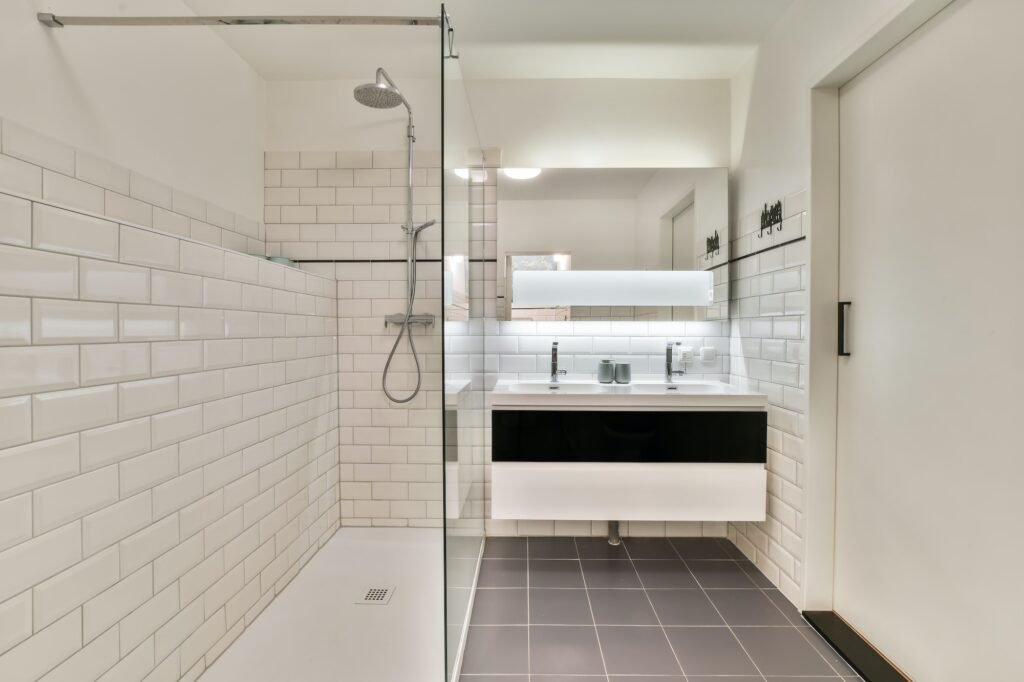
A modern bathroom is no longer just a functional corner of the home, it has evolved into a personalized sanctuary where innovation meets intention. Today’s homeowners are not simply asking for aesthetic upgrades; they are demanding intelligent, efficient, and environmentally responsible solutions. This shift has pushed the remodeling industry into a new era, where advanced technology and sustainable design principles are no longer optional, they are expected.
At the forefront of this transformation are forward-thinking professionals like bathroom remodelers in Austin, who are redefining how bathrooms are designed, built, and experienced. Their approach blends cutting-edge smart features with eco-conscious materials and systems, delivering spaces that are both luxurious and responsible.
The Rise of Smart Bathrooms: Technology Meets Comfort
Smart technology has seamlessly entered the bathroom space, turning everyday routines into elevated experiences. From automated lighting to intelligent water systems, remodelers are leveraging innovation to create environments that respond to user needs.
Intelligent Fixtures and Automation
One of the most noticeable upgrades in modern renovations is the integration of smart fixtures. Touchless faucets, motion-sensor lighting, and voice-activated mirrors are becoming standard features. These elements not only enhance convenience but also promote hygiene and efficiency.
Smart showers are a particularly impactful addition. With programmable temperature settings, water-flow control, and even mobile-app connectivity, users can customize their shower experience down to the smallest detail. This level of personalization reflects a broader trend toward user-centric design.
Connected Systems for Seamless Living
Bathrooms are increasingly being integrated into the larger smart home ecosystem. Homeowners can now control lighting, ventilation, and even music through centralized systems or voice assistants. This connectivity ensures that the bathroom is not an isolated space but part of a cohesive, intelligent home environment.
Data-Driven Efficiency
Advanced systems now provide real-time data on water and energy usage. This allows homeowners to monitor consumption patterns and make informed decisions about their daily habits. For remodelers, incorporating such systems demonstrates a commitment to both innovation and sustainability.
Sustainable Design: Building for the Future
While smart technology enhances convenience, sustainability ensures longevity and responsibility. Modern bathroom renovations are increasingly guided by eco-conscious principles that reduce environmental impact without compromising on style or performance.
Water Conservation Technologies
Water efficiency is a critical component of sustainable bathroom design. Low-flow toilets, aerated faucets, and water-saving showerheads significantly reduce consumption while maintaining performance. Dual-flush systems, for instance, allow users to choose the appropriate water volume for each use, minimizing waste.
Smart water systems take this a step further by detecting leaks and optimizing usage. These innovations not only conserve resources but also reduce utility costs over time.
Energy-Efficient Solutions
Energy consumption in bathrooms is often underestimated. However, features like LED lighting, energy-efficient ventilation systems, and heated flooring with smart thermostats can dramatically lower energy use.
LED lighting, in particular, has become a staple in modern renovations. It consumes less power, lasts longer, and offers versatile design options. When paired with motion sensors and timers, it ensures that energy is used only when needed.
Eco-Friendly Materials
Sustainability extends beyond systems to the very materials used in construction. Remodelers are increasingly opting for recycled, reclaimed, and responsibly sourced materials. Bamboo cabinetry, recycled glass tiles, and low-VOC paints are just a few examples.
These materials not only reduce environmental impact but also contribute to healthier indoor air quality. For homeowners, this means a safer and more comfortable living environment.
The Intersection of Technology and Sustainability
The true innovation lies in the integration of smart technology with sustainable design. This synergy creates bathrooms that are not only efficient but also intuitive and future-ready.
Smart Water Management
Combining smart technology with water-saving fixtures allows for precise control over consumption. For example, digital shower systems can limit water flow based on user preferences, while leak detection systems prevent unnecessary waste.
Automated Climate Control
Smart ventilation systems adjust humidity levels in real time, preventing mold growth and improving air quality. When integrated with energy-efficient fans and sensors, these systems maintain optimal conditions while minimizing energy use.
Adaptive Lighting Systems
Lighting systems that adjust based on natural light availability or user activity contribute to both comfort and efficiency. These systems reduce energy consumption while enhancing the space’s overall ambiance.
Design Aesthetics: Where Function Meets Style
Modern bathroom renovations are not just about functionality, they are also about creating visually appealing spaces that reflect personal style. The integration of smart and sustainable elements is done in a way that enhances, rather than compromises, design.
Minimalist and Clean Designs
Sleek, clutter-free designs are a hallmark of contemporary bathrooms. Hidden storage, wall-mounted fixtures, and seamless finishes create a sense of openness and tranquility.
Natural Elements
Incorporating natural materials like stone and wood adds warmth and texture to the space. These elements, when sourced responsibly, align with sustainable design principles while enhancing aesthetic appeal.
Customization and Personalization
Smart technology allows for a high degree of customization. From adjustable lighting tones to personalized shower settings, homeowners can tailor their bathroom experience to their preferences.
The Role of Professional Expertise
Integrating smart technology and sustainable design requires a high level of expertise. It involves careful planning, precise installation, and a deep understanding of both technology and environmental principles.
This is where experienced professionals make a significant difference. Skilled remodelers ensure that all systems are seamlessly integrated and function as intended. They also guide homeowners in selecting the right materials and technologies based on their needs and budget.
In regions like Austin, the demand for such expertise is growing rapidly. Alongside bathroom innovations, services like shingle roofing services in Austin are also evolving to incorporate sustainable materials and energy-efficient solutions, reflecting a broader trend in the construction industry.
Challenges and Considerations
While the benefits are substantial, integrating smart and sustainable features comes with its own set of challenges.
Initial Investment
Advanced technology and eco-friendly materials often require a higher upfront investment. However, the long-term savings in energy and water costs typically offset these initial expenses.
Compatibility and Integration
Ensuring that all smart systems work together seamlessly can be complex. This requires careful planning and the use of compatible technologies.
Maintenance and Upgrades
Smart systems may require periodic updates and maintenance to function optimally. Homeowners should be prepared for ongoing management of these technologies.
The Future of Bathroom Renovations
The trajectory of bathroom design is clear, innovation and sustainability will continue to drive the industry forward. Emerging technologies such as AI-driven systems, advanced water recycling, and even health-monitoring fixtures are set to redefine what a bathroom can be.
As environmental concerns grow and technology advances, the integration of these elements will become increasingly sophisticated. Remodelers who embrace this evolution will not only meet current demands but also shape the future of residential design.
Conclusion
Modern bathroom renovations are a testament to how far design and technology have come. By integrating smart features with sustainable practices, remodelers are creating spaces that are efficient, comfortable, and environmentally responsible.
Professionals like bathroom remodelers in Austin are leading this transformation, demonstrating that innovation and sustainability can coexist seamlessly. Whether it’s through intelligent water systems, energy-efficient solutions, or eco-friendly materials, the modern bathroom is no longer just a utility, it is a reflection of a smarter, more conscious way of living.
As homeowners continue to prioritize both convenience and responsibility, the demand for such integrated solutions will only grow. The result is a new standard in bathroom design, one that balances technology, sustainability, and timeless elegance.