
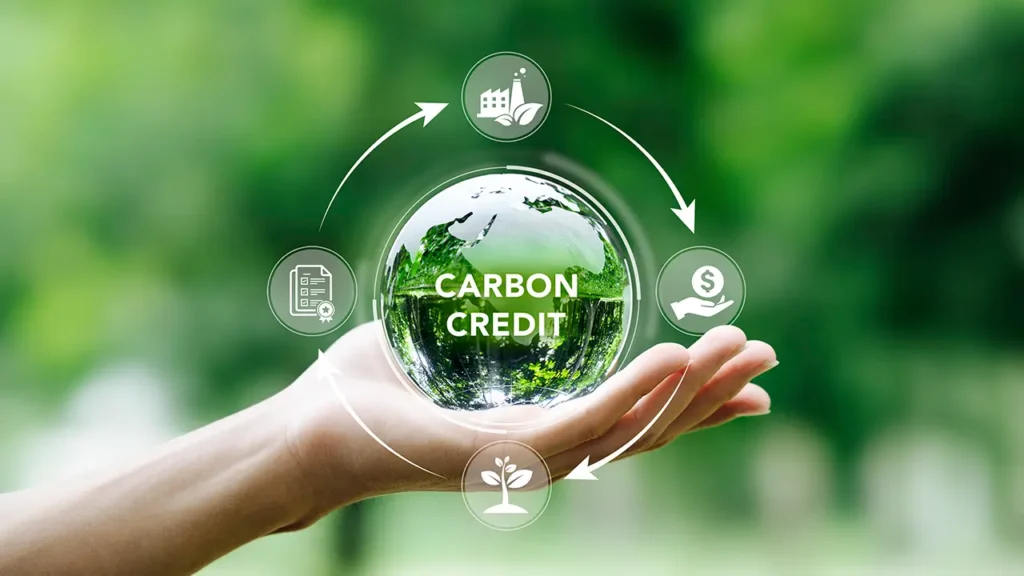
Global sustainability commitments are rapidly changing how businesses operate. According to BloombergNEF, the voluntary carbon market could grow into a multi-billion-dollar industry by 2030 as companies move toward net-zero emissions and stricter ESG targets. Governments, investors, and customers now expect brands to reduce environmental impact while maintaining transparency in carbon reporting.
This shift has increased the demand for professional carbon credit consulting services. Businesses are no longer purchasing offsets randomly. They need strategic guidance on compliance, carbon accounting, verification, emissions reduction planning, and long-term sustainability frameworks.
At SEO Circular, we have seen how sustainability-focused industries are becoming more competitive online as well. From renewable energy companies to climate-tech startups, businesses are investing in both environmental strategy and digital visibility to stay ahead in evolving markets.
What Are Carbon Credits?
A carbon credit is a tradable certificate representing the reduction or removal of one metric ton of carbon dioxide or equivalent greenhouse gases from the atmosphere. These credits are generated through projects such as:
- Reforestation and afforestation
- Renewable energy production
- Methane capture projects
- Sustainable agriculture initiatives
- Carbon capture technologies
Organizations purchase carbon credits to offset emissions they cannot eliminate immediately. This helps businesses work toward climate goals while supporting environmental projects globally.
Carbon credits are generally divided into two categories:
| Type | Description |
|---|---|
| Compliance Carbon Credits | Required under government regulations and emission trading systems |
| Voluntary Carbon Credits | Purchased voluntarily by organizations pursuing ESG or sustainability goals |
Why Carbon Credit Consulting Services Are Growing
The global carbon market is becoming increasingly complex. Regulations differ across countries, industries, and reporting standards. Businesses often struggle with:
- Carbon accounting accuracy
- ESG compliance requirements
- Verification standards
- Credit quality assessment
- Risk management
- Sustainability reporting
Carbon credit consultants help organizations navigate these challenges with structured strategies and technical expertise.
The growing focus on sustainability reporting frameworks such as:
- GRI
- CDP
- TCFD
- SBTi
- ISSB
has further accelerated the need for professional guidance.
Companies now understand that sustainability is not only an environmental responsibility but also a financial and brand-growth opportunity.
Core Carbon Credit Consulting Services
Professional carbon credit consulting firms offer a wide range of sustainability and carbon management solutions.
Carbon Footprint Assessment
Consultants calculate organizational emissions across operations, supply chains, transportation, manufacturing, and energy usage.
This creates a baseline for future reduction strategies.
Carbon Offset Strategy
Businesses receive recommendations on high-quality carbon offset projects aligned with their sustainability objectives.
ESG and Sustainability Reporting
Consultants help organizations prepare transparent sustainability reports that meet global compliance standards.
Net Zero Roadmap Planning
Long-term decarbonization plans are developed to reduce emissions gradually while balancing operational efficiency.
Carbon Credit Procurement
Experts identify credible carbon credit providers and reduce risks associated with low-quality or non-verified offsets.
Regulatory Compliance
Businesses operating under emissions regulations require ongoing compliance support and audit preparation.
Benefits of Hiring Carbon Credit Consultants
Improved ESG Performance
Strong sustainability programs improve investor confidence, brand reputation, and stakeholder trust.
Better Risk Management
Consultants help companies avoid greenwashing risks and compliance penalties.
Accurate Carbon Accounting
Reliable emissions tracking improves reporting transparency and operational planning.
Access to Verified Carbon Markets
Businesses gain access to trusted offset projects and verified carbon standards.
Long-Term Sustainability Planning
Companies can align environmental goals with business growth and operational efficiency.
Industries Driving Demand for Carbon Credit Consulting
Several industries are actively investing in carbon management strategies.
Manufacturing
Industrial operations face increasing pressure to reduce emissions and meet environmental standards.
Energy and Utilities
Renewable energy transitions require detailed carbon accounting and offset planning.
Logistics and Transportation
Shipping, aviation, and supply chain businesses are adopting carbon reduction frameworks to meet ESG commitments.
Technology and Data Centers
Large-scale digital infrastructure creates significant energy consumption challenges.
Real Estate and Construction
Sustainable building certifications and green construction standards are driving carbon consulting demand.
Agriculture
Sustainable farming and soil carbon initiatives are becoming major contributors to carbon markets.
Compliance vs Voluntary Carbon Markets
Understanding the difference between compliance and voluntary markets is essential for businesses entering carbon trading ecosystems.
Compliance Markets
These are regulated by governments and environmental authorities. Companies exceeding emission limits must purchase carbon credits to comply with legal standards.
Examples include:
- EU Emissions Trading System (EU ETS)
- California Cap-and-Trade Program
Voluntary Markets
Organizations voluntarily purchase offsets to support sustainability goals, ESG positioning, or carbon neutrality commitments.
These markets are often used by global enterprises, consumer brands, and climate-conscious startups.
How Technology Is Transforming Carbon Credit Management
Technology is making carbon markets more transparent and data-driven.
Businesses now use advanced analytics, AI-powered sustainability platforms, and blockchain verification systems to improve carbon tracking and reporting.
Many organizations are integrating sustainability software with enterprise systems for real-time monitoring.
Similarly, companies improving digital visibility often rely on Enterprise SEO Tools to manage large-scale optimization and data reporting across global websites.
Technology-driven decision-making is becoming essential in both sustainability management and digital growth strategy.
Common Challenges in Carbon Credit Programs
Despite growing adoption, businesses still face multiple obstacles.
Lack of Standardization
Carbon market standards vary across regions and registries.
Verification Concerns
Some offset projects fail to deliver measurable environmental impact.
Greenwashing Risks
Misleading sustainability claims can damage brand credibility.
Cost Uncertainty
Carbon credit pricing fluctuates depending on market demand and project quality.
Internal Resource Gaps
Many companies lack dedicated sustainability teams with carbon market expertise.
Professional consulting services help reduce these risks through proper planning and validation processes.
How to Choose the Right Carbon Credit Consulting Firm
Selecting the right consulting partner requires careful evaluation.
Businesses should consider:
- Industry experience
- Verification expertise
- ESG reporting capabilities
- Regulatory knowledge
- Global market understanding
- Transparency in methodology
- Technology integration support
A strong consulting partner should focus on measurable sustainability outcomes rather than generic environmental messaging.
In competitive industries, businesses also prefer partners with broader digital growth capabilities, similar to how companies evaluate a white-label seo agency for scalable long-term marketing support.
Carbon Credit Consulting and Business Growth
Sustainability is now closely connected to corporate reputation, investor trust, and customer loyalty.
Organizations with strong ESG initiatives often experience:
- Better market positioning
- Higher investor confidence
- Improved customer engagement
- Greater regulatory readiness
- Long-term operational resilience
As sustainability reporting becomes more mainstream, carbon credit consulting will continue evolving into a core business function rather than a secondary initiative.
Businesses evaluating long-term investments often compare sustainability spending similarly to operational planning tools like an SEO Cost Calculator when forecasting ROI and growth impact.
Future Trends in Carbon Credit Consulting
The future of carbon consulting will be shaped by several major trends.
AI-Driven Carbon Analytics
Artificial intelligence will improve emissions forecasting and reduction modeling.
Blockchain Verification
Blockchain systems may improve transparency and reduce fraud risks in carbon trading.
Industry-Specific Carbon Frameworks
Customized sustainability standards will emerge for industries such as aviation, logistics, and manufacturing.
ESG Investment Growth
Investors increasingly prioritize businesses with transparent sustainability commitments.
Global Regulatory Expansion
Governments worldwide are expected to strengthen climate disclosure and carbon reduction policies.
Businesses operating internationally will require advanced consulting support, much like enterprises working with an Enterprise SEO Agency USA to manage large-scale competitive digital environments.
Conclusion
Carbon credit consulting services are becoming essential for businesses pursuing sustainability, ESG compliance, and long-term operational growth. As carbon markets expand globally, organizations need expert guidance to manage emissions, evaluate offset quality, maintain compliance, and build credible sustainability programs.
The future belongs to businesses that combine environmental responsibility with strategic execution. Companies investing early in carbon management frameworks will be better positioned for regulatory changes, investor expectations, and evolving customer demands.
Just as organizations carefully review an SEO Rate Card before scaling digital campaigns, businesses must also evaluate sustainability investments strategically to ensure measurable environmental and business outcomes.