Muscle pain and stiffness can affect daily life in many ways. Many people struggle to move comfortably after heavy exercise, physical work, injury, or long working hours. Fast acting skeletal muscle relaxants are commonly used to support muscle recovery and improve comfort during painful muscle conditions.
Muscle recovery medicines like Soma 350mg are often discussed because they help relax tight muscles and reduce discomfort caused by muscle spasms. Many adults use these medicines under medical guidance to recover faster and return to normal activities. Another commonly known option is Pain O Soma 500mg, which is used for temporary muscle pain and stiffness management.
Understanding Skeletal Muscle Relaxants
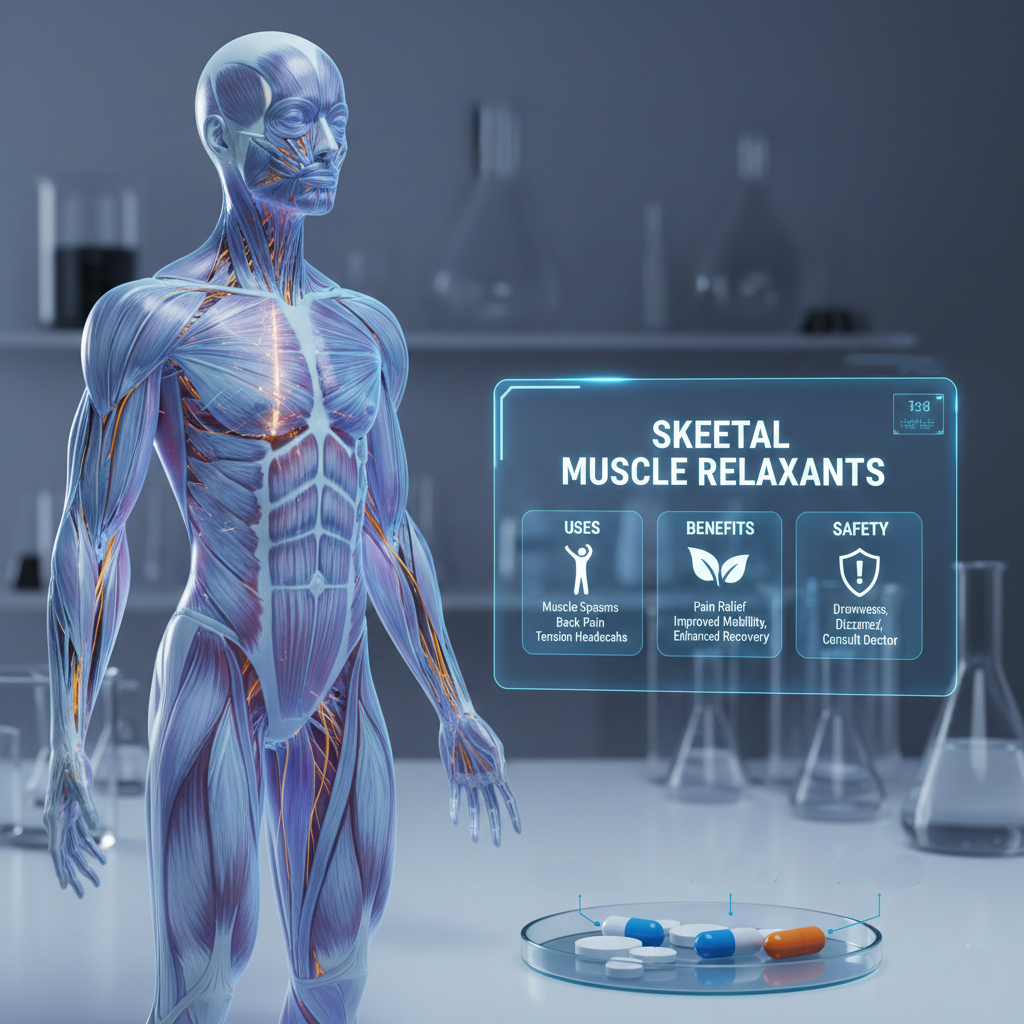
Skeletal muscle relaxants are medicines designed to reduce muscle tension and spasms. They work by calming muscle activity in the body and helping muscles relax naturally. Doctors may recommend them for short-term treatment when muscle pain becomes difficult to manage with rest alone.
People may experience muscle problems because of:
- Sports injuries
- Back strain
- Neck pain
- Poor posture
- Heavy lifting
- Physical stress
- Sudden muscle spasms
These conditions can limit movement and reduce comfort during daily activities. Fast acting muscle relaxants may help people recover more comfortably when used correctly.
How Muscle Relaxants Support Recovery
Recovery becomes difficult when muscles remain tight and painful for long periods. Tight muscles can affect sleep, movement, and normal physical activity. Muscle relaxants support recovery by helping muscles loosen and reducing painful spasms.
Some important recovery benefits include:
Reduced Muscle Tightness
Relaxed muscles allow the body to move more naturally. This can improve comfort during walking, sitting, or resting.
Better Physical Comfort
Many people feel less strain after muscle tension decreases. This may help support daily activities during recovery.
Improved Rest and Sleep
Pain and stiffness often disturb sleep. Muscle relaxation may help people rest better, which is important for healing.
Easier Movement
When muscles become less tense, stretching and light movement may feel easier and more comfortable.
Common Causes of Muscle Pain
Muscle pain can happen suddenly or develop slowly over time. Some common reasons include physical overuse, poor posture, and exercise-related injuries.
Exercise and Sports Activities
Intense workouts can stress muscles and lead to soreness or spasms. Recovery medicines may sometimes be used for temporary relief.
Workplace Strain
People who sit for long hours or perform physical labor often experience muscle stiffness in the neck, shoulders, or back.
Injury Recovery
Minor injuries may create muscle tension around the affected area. Muscle relaxants are sometimes included in short-term treatment plans.
Stress-Related Muscle Tightness
Mental stress can also increase muscle tension, especially around the neck and shoulders.
Benefits of Fast Acting Relief
Fast acting muscle relaxants are preferred by many people because they begin supporting comfort quickly. Quick relief may help people return to normal activities sooner.
Temporary Relief During Recovery
These medicines are generally used for short-term relief rather than long-term treatment. Doctors usually recommend combining them with proper rest and physical care.
Support for Daily Activities
Reduced pain and stiffness may help improve normal movement throughout the day.
Helpful During Acute Muscle Conditions
Sudden muscle spasms can create sharp discomfort. Fast acting relief may support temporary comfort during these situations.
Safe Usage and Important Guidance
Muscle relaxants should always be used responsibly. People should follow medical instructions carefully and avoid self-medication.
Follow Prescribed Dosage
Taking more than the recommended amount does not improve recovery speed and may increase unwanted effects.
Avoid Alcohol Use
Alcohol can increase drowsiness and affect alertness when combined with muscle relaxants.
Short-Term Use Only
Most muscle relaxants are designed for temporary use during recovery periods.
Rest and Hydration Matter
Proper sleep, hydration, and light stretching also support healthy muscle recovery.
Muscle Recovery Tips Alongside Treatment
Medicine alone may not fully support muscle healing. Healthy recovery habits are also important.
Stay Hydrated
Water supports muscle function and overall body recovery.
Gentle Stretching
Light stretching may help improve flexibility and reduce stiffness.
Proper Sleep
Good sleep allows muscles to recover naturally after stress or injury.
Avoid Heavy Physical Activity
Overworking painful muscles may delay recovery and increase discomfort.
Growing Demand in the USA, Canada, and Australia
Muscle relaxants with fast onset action among the skeletal muscles in such countries as the USA, Canada, and Australia have become increasingly popular since there are quite a number of adults suffering from muscle strain due to hectic lifestyles and laborious physical activities.
In the USA, it is common for white-collar workers and people interested in bodybuilding to search for temporary muscle relaxation assistance. Canadians might suffer from body tightness and stiff muscles as a result of freezing weather conditions and stressful work surroundings. Australians tend to spend more time outdoors doing sports, hence, the higher prevalence of muscle strains.
Responsibility is what matters most to people in the mentioned countries.
Who May Need Muscle Relaxation Support
Some individuals are more likely to experience muscle strain and stiffness because of their daily activities or physical conditions.
Athletes and Fitness Enthusiasts
Exercise and training can sometimes create muscle soreness and tension.
Office Workers
Long hours of sitting may lead to neck and lower back stiffness.
Manual Labor Workers
Heavy lifting and repetitive movement may increase muscle strain risk.
Older Adults
Age-related muscle discomfort can affect flexibility and movement comfort.
Understanding Recovery Expectations
Muscle relaxants help support comfort, but they do not instantly cure the cause of muscle pain. Recovery usually depends on several factors including rest, hydration, physical care, and healthy movement habits.
Most people notice improvement during short-term treatment when they combine proper care with medical guidance.
Final Thoughts
Fast-acting skeletal muscle relaxants play an important role in temporary muscle recovery support. They may help reduce muscle spasms, improve movement comfort, and support daily activities during recovery periods.
Options like Soma 350mg and Pain O Soma 500mg are commonly discussed for short-term muscle discomfort relief. However, responsible use and medical supervision remain important for safe recovery.
People in the USA, Canada, and Australia continue to seek reliable recovery support for muscle pain caused by exercise, physical work, injuries, and daily stress. Along with proper rest, hydration, and healthy habits, muscle relaxation support may help improve overall recovery comfort.