
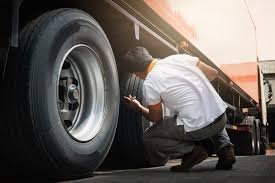
Trailers take a beating every day, long miles, heavy loads, rough roads, and tight schedules. Most fleet owners don’t realize how quickly small issues turn into major breakdowns until it’s already affecting deliveries. That’s where commercial trailer repair and consistent inspections come in. They’re not just about compliance; they’re about keeping your trailers safe, reliable, and earning.
If you’re running a fleet, you already know this: when a trailer goes down, it doesn’t just stop one job; it can delay multiple loads and throw off your entire schedule.
Why Trailer Inspections Should Never Be Skipped
Skipping inspections might save a few minutes today, but it usually costs hours or even days later. Trailers carry constant stress from weight, weather, and road conditions.
Common issues that start small:
- Loose brake components
- Tire wear and pressure imbalance
- Lighting failures
- Frame stress or cracks
- Suspension wear
Most of these don’t show up as full breakdowns immediately. They build slowly until something fails at the worst possible time, usually when the trailer is loaded and on the road.
Regular inspections help catch these problems early before they turn into costly roadside repairs or safety violations.
Safety Risks That Hit Your Bottom Line
Safety isn’t just a compliance checkbox; it directly affects your operating costs.
A poorly maintained trailer can lead to:
- Load shifts or cargo damage
- Brake failure on heavy loads
- Tire blowouts at highway speeds
- Lighting issues causing violations
Each of these risks comes with consequences: fines, delays, repair costs, and unhappy customers.
For owner-operators and fleet managers, even one incident can ripple through your schedule and cash flow. That’s why inspections are not optional; they’re part of protecting your business.
Brake and Suspension Systems: The Silent Failure Point
Most trailer issues start where you don’t easily see the brakes and suspension systems.
What usually goes wrong:
- Worn brake linings
- Air system leaks
- Broken or weak suspension parts
- Uneven load distribution impact
These components handle constant pressure, especially in heavy freight operations. When they start failing, performance drops long before a full breakdown happens.
What works:
Routine brake checks and suspension inspections based on load usage—not just mileage. This keeps trailers stable, safe, and road-ready.
Tires: Small Component, Big Impact
Tires are one of the most overlooked parts of trailer maintenance, but they carry the entire load literally.
Common tire issues:
- Uneven tread wear
- Underinflation or overinflation
- Sidewall damage
- Heat-related blowouts
A single tire failure can delay a delivery, damage cargo, and cost more than just a replacement; it costs time, fuel, and trust with your customer.
What works:
Regular pressure checks, rotation schedules, and alignment corrections before wear becomes uneven.
Electrical Systems and Lighting Failures
Trailer electrical systems don’t seem critical until they fail at the wrong time.
Typical problems:
- Faulty brake lights or indicators
- Wiring corrosion
- Connector failures
- Intermittent power loss
These issues often lead to DOT violations and unexpected stops during transport.
What works:
Routine lighting checks before dispatch and quick replacement of worn connectors or damaged wiring.
Structural Damage That Gets Worse Over Time
Trailers are constantly under stress from weight shifts, road vibration, and loading equipment.
Common structural issues:
- Frame cracks
- Rust and corrosion
- Damaged panels or flooring
- Loose rivets or fasteners
These problems rarely appear suddenly. They grow slowly and become expensive if ignored.
What works:
Regular visual inspections and early repairs during scheduled downtime instead of waiting for visible failure.
The Hidden Cost of Ignoring Inspections
Most fleet operators don’t feel the impact of skipped inspections immediately, but the cost shows up later in different ways:
- Emergency roadside repairs
- Missed delivery windows
- Higher insurance risks
- Increased downtime per trailer
- Driver frustration and delays
In a competitive freight market, downtime is lost revenue. A trailer sitting idle doesn’t just cost repair money; it costs opportunity.
That’s why commercial trailer repair should be part of a preventive system, not a reaction to breakdowns.
How to Build a Simple Inspection Routine
You don’t need a complex system to stay ahead of trailer issues. Consistency matters more than complexity.
Practical steps:
- Daily driver walkaround checks
- Weekly maintenance inspections
- Monthly detailed mechanical reviews
- Immediate reporting of defects
Even basic discipline in inspections can significantly reduce unexpected breakdowns.
Mobile Repairs and Faster Turnarounds
One of the biggest challenges fleets face is downtime during repairs. Taking a trailer off-route or into a shop can disrupt multiple deliveries.
Mobile repair support helps reduce that gap by fixing issues on-site whenever possible.
Benefits include:
- Faster response times
- Reduced towing or relocation costs
- Less disruption to delivery schedules
This approach is especially useful for fleets operating under tight timelines or high delivery frequency.
Compliance and Road Readiness
DOT inspections don’t forgive neglect. A small issue can lead to fines or forced downtime.
Regular inspections ensure:
- Brakes meet safety standards
- Lights and signals are functional
- Tires are within legal limits
- Structural integrity is intact
Staying compliant isn’t just about avoiding penalties—it keeps your operation running without interruptions.
Final Thoughts: Inspections Protect Your Revenue
Trailers don’t fail suddenly; they fail when small problems are ignored for too long. Regular inspections give you control over those risks before they turn into operational disruptions.
For fleets focused on uptime, efficiency, and predictable schedules, commercial trailer repair and preventive inspections are not optional; they are part of protecting your revenue and keeping trucks moving.
If you want fewer breakdowns and more reliable performance across your fleet, build your inspection routine around commercial trailer repair practices that keep every trailer road-ready and compliant.